Leveraging Workplace Safety Training in Auckland to Cut Incident Risk
Turn Training Into Fewer Incidents and Lower Costs Workplace incidents hit businesses harder than most…

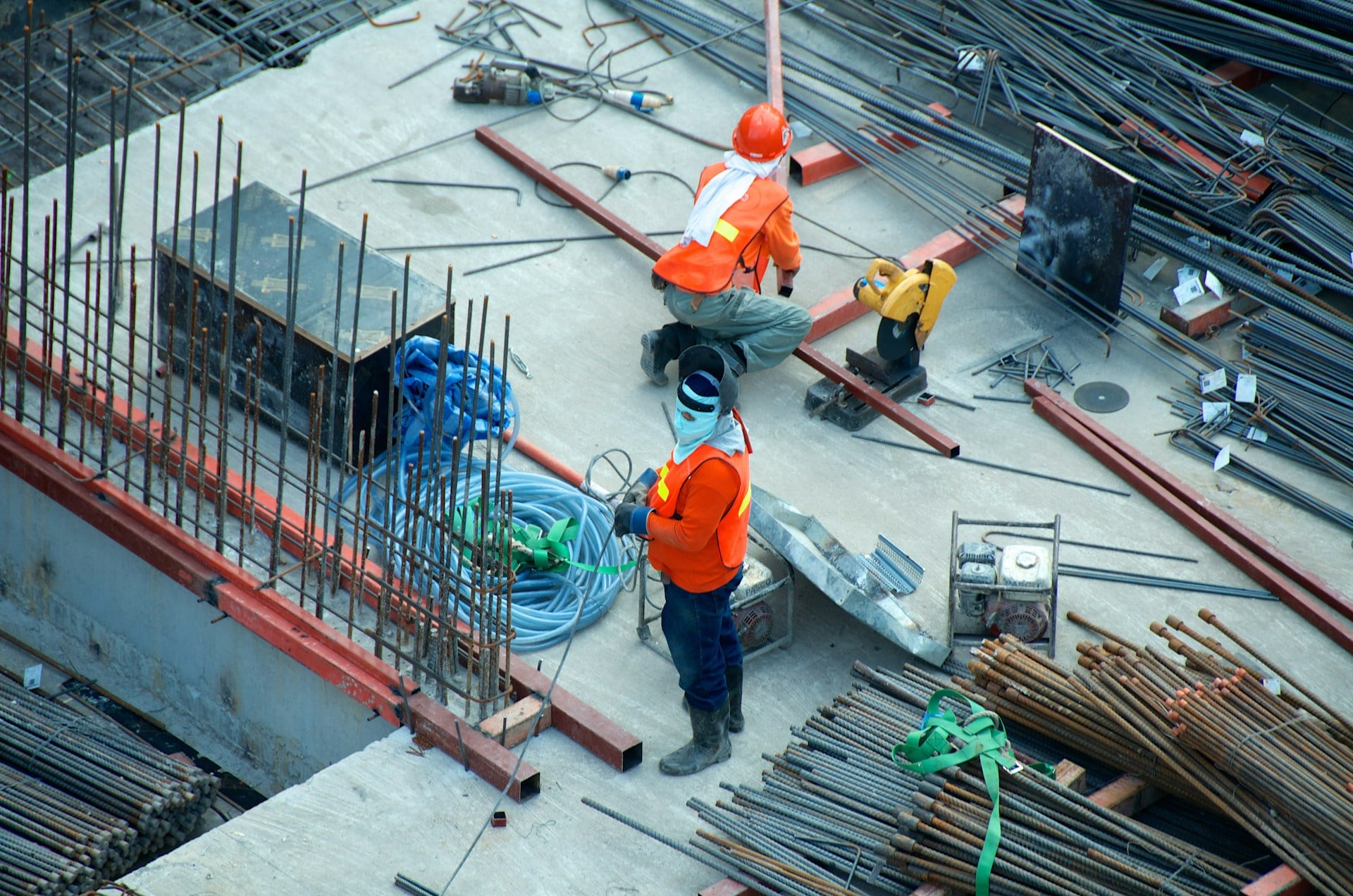
Health and safety support in New Zealand is under more pressure than ever, especially in construction and the trades. Work is faster, sites are busier, and regulators expect clear proof that risks are being managed, not just talked about. A casual “she’ll be right” approach can leave people hurt and businesses exposed.
Many owners, project managers, and site supervisors feel the squeeze. Paperwork builds up, legislation changes, and everyone is told they are “responsible” without being given the time or tools to manage that responsibility well. It is no surprise that documents get copied from old jobs, forms are signed at the last minute, and people hope nothing goes wrong.
That is where the big choice comes in. Do you grow your own in-house health and safety capability, or do you bring in outsourced health and safety support? With maintenance work picking up and planning for the new financial year on the table, this is a smart time to reset how your business handles risk and compliance.
Good health and safety support is not about filing thick manuals on a shelf. It should make work easier and safer on site, not harder. When it is done well, everyone knows what matters, who is responsible, and how to speak up before something goes wrong.
Strong support usually includes things like:
There is also a big difference between reactive and proactive support. Reactive support shows up after an incident or when a client or regulator starts asking questions. Proactive support builds in regular checks like audits, site walks and toolbox talks so trends are spotted early.
For many Auckland and wider New Zealand sites, simple, consistent steps such as:
can cut down on incidents, rework and downtime. The paperwork should follow the work, not the other way around.
For some businesses, an in-house health and safety person is a very strong option. This can work well where you have:
The benefits are easy to see. An in-house person is on the ground, sees how crews actually work, and learns the details of your gear, processes and people. They can walk into a toolbox talk, jump into planning meetings, and give quick answers without needing to be booked in. It is often easier for them to link health and safety with HR, training, procurement and project management systems.
But there are also challenges to think about:
Some businesses also find that internal staff can get pulled into general admin or operations when things get busy, which can water down the health and safety focus.
Outsourced health and safety support can be a strong fit for many small to medium construction and trade businesses. It can also suit subcontractors, rapidly growing teams, companies with seasonal peaks, or businesses starting to take on higher-risk work.
Working with an external consultancy can give you:
A common concern is whether consultants really understand the realities of site work. That is a fair question. Good support should be practical and site-ready. You should expect your consultant to put on boots and a hi-vis, walk your work areas, listen to your supervisors and crews, and then shape systems that line up with how you actually operate.
When choosing outsourced support, it helps to look for:
At Safe Space, we have seen that when external support is grounded in real work and clear communication, it can slot into your team without feeling like an add-on.
For many businesses, the best answer is not “in-house or outsourced” but a smart mix of both. A hybrid model lets you combine the day-to-day presence of an internal person with the breadth and back-up of an external team.
Some workable blended models include:
To work out what you need, it can help to look at:
Planning ahead also makes a big difference. Slower periods are a good time to:
The goal is to choose an approach that can flex as your business changes and as expectations shift, without needing to be rebuilt every time.
A practical way to start is to look honestly at how things are working now. Where are you seeing incidents, near misses or last-minute panics around documentation or tenders? These are often signs that your current mix of in-house capability and external support is not quite right.
It can help to work through a simple checklist:
From there, you can decide whether you need to strengthen internal roles, bring in outsourced health and safety support, or set up a hybrid model that fits how you actually work. At Safe Space, we focus on practical, streamlined solutions that match the construction and related sectors, so businesses can meet their duties and keep people safer without drowning in paperwork.
If you are ready to strengthen your workplace systems, we can provide practical guidance that suits how your business actually operates. At Safe Space, our health and safety support helps you identify real risks, close gaps and stay compliant without adding unnecessary complexity. Talk with our specialists about your next steps so you can move forward with confidence. To discuss your workplace needs or book a consultation, please contact us.