Leveraging Workplace Safety Training in Auckland to Cut Incident Risk
Turn Training Into Fewer Incidents and Lower Costs Workplace incidents hit businesses harder than most…


Why Tick-Box Safety Audits Put Kiwi Businesses at Risk
A workplace safety audit checklist can feel like a safety net. You tick the boxes, file the form, and feel like the job is done. For many New Zealand businesses, that checklist comes from the internet or is copied from another site, then brought out before end of financial year or winter maintenance.
Checklists do have real benefits. They help with:
The problem starts when the checklist becomes the whole system. Without someone actually walking the site, looking at how work is really done, and talking with people, a workplace safety audit checklist can miss the biggest risks. Paper can say everything is fine while your team is working around hazards every day.
At Safe Space, we are on the ground in Auckland and working across New Zealand. We use checklists as a tool, not the answer. The real value comes from pairing those tools with site visits, real conversations, and a clear view of how your workplace actually runs.
The Hidden Gaps a Workplace Safety Audit Checklist Cannot See
A checklist is a static document. Your workplace is not. Things change from week to week, sometimes from hour to hour. Paper alone simply cannot keep up.
Here are some of the common blind spots:
Then there is the human side. Behaviour and culture leave clues that a checklist will never pick up, such as:
This is where false compliance creeps in. People focus on passing the audit instead of controlling the risk. The paperwork looks tidy. The tick boxes are all marked. But out on the floor, guards are tied back, ladders are untagged, and the actual exposure to harm has not changed.
Without seeing the real work, a workplace safety audit checklist can give leaders a false sense of comfort, which is more dangerous than seeing the problem clearly.
Real-World Hazards Only Show Up on Site
Some hazards simply do not jump off a form. You only see them when you stand in the space and watch work happen.
Physical walkthroughs often uncover:
Environmental and layout-related risks are also easy to miss on paper, including:
Then there are people-focused risks that only make sense face to face:
All of these can sit quietly in the background while the workplace safety audit checklist shows a clean, compliant picture.
Why Site Visits Turn a Checklist Into a Real Safety System
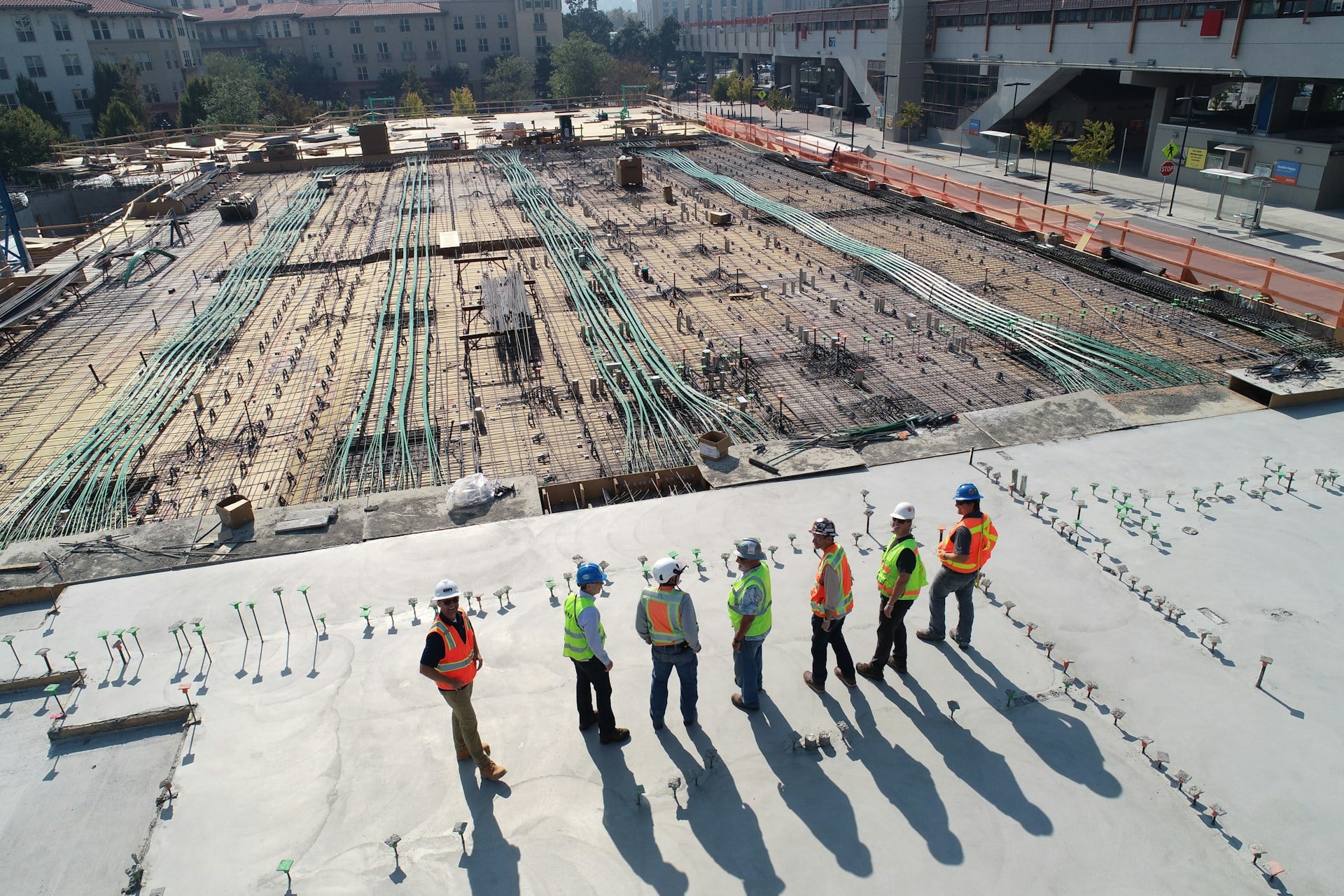
A site visit does not replace your checklist. It completes it. We treat a workplace safety audit checklist as a starting point, then adjust it to match the way your business actually works.
On site, a good auditor will:
Conversations are just as important as inspections. Talking with workers, supervisors, and health and safety reps uncovers:
From there, findings can be fed into a living safety system. That might include:
The goal is not just a better checklist. It is a safety system that grows with your business.
Turning Audit Findings Into Action That Actually Sticks
A long list of low-level issues is not helpful. It just overwhelms everyone and nothing changes. The real value comes from turning findings into a clear set of priorities.
A practical risk-based approach focuses on:
From there, you can build an action plan with simple steps, owners, and time frames. The plan should be realistic for a busy New Zealand workplace, fitting around peak seasons like winter shutdowns or the pre-Christmas rush.
On top of the audit itself, ongoing support can make the difference. That might look like:
At Safe Space, we see this as part of walking alongside your business, not just dropping off a report and disappearing.
How to Move Beyond Paper Audits This Winter
If you already use a workplace safety audit checklist, it is worth asking a few simple questions. What does it miss?
Look at things like:
From there, the next step is to combine your paperwork with a professional on-site audit. At Safe Space, we support Auckland and wider New Zealand-based businesses with site visits, documentation reviews, and digital safety system support so improvements stay current, not just once a year.
When winter hits, small hazards can quickly grow. Slippery surfaces, poor lighting, and weather damage all add new layers of risk. Having someone physically walk your site before the mid-year period gets busy helps you spot and control those hazards long before an incident occurs.
Protect Your Team With A Practical Safety Action Plan
If you are ready to turn safety intentions into concrete steps, start with our detailed workplace safety audit checklist tailored to Australian workplaces. At Safe Space, we work alongside you to identify real risks, clarify responsibilities and prioritise improvements that actually get done. Reach out to our team to discuss your current challenges or book an audit via contact us. Together we can put a clear, workable plan in place that strengthens safety and supports your people.