
Leveraging Workplace Safety Training in Auckland to Cut Incident Risk
Turn Training Into Fewer Incidents and Lower Costs Workplace incidents hit businesses harder than most…

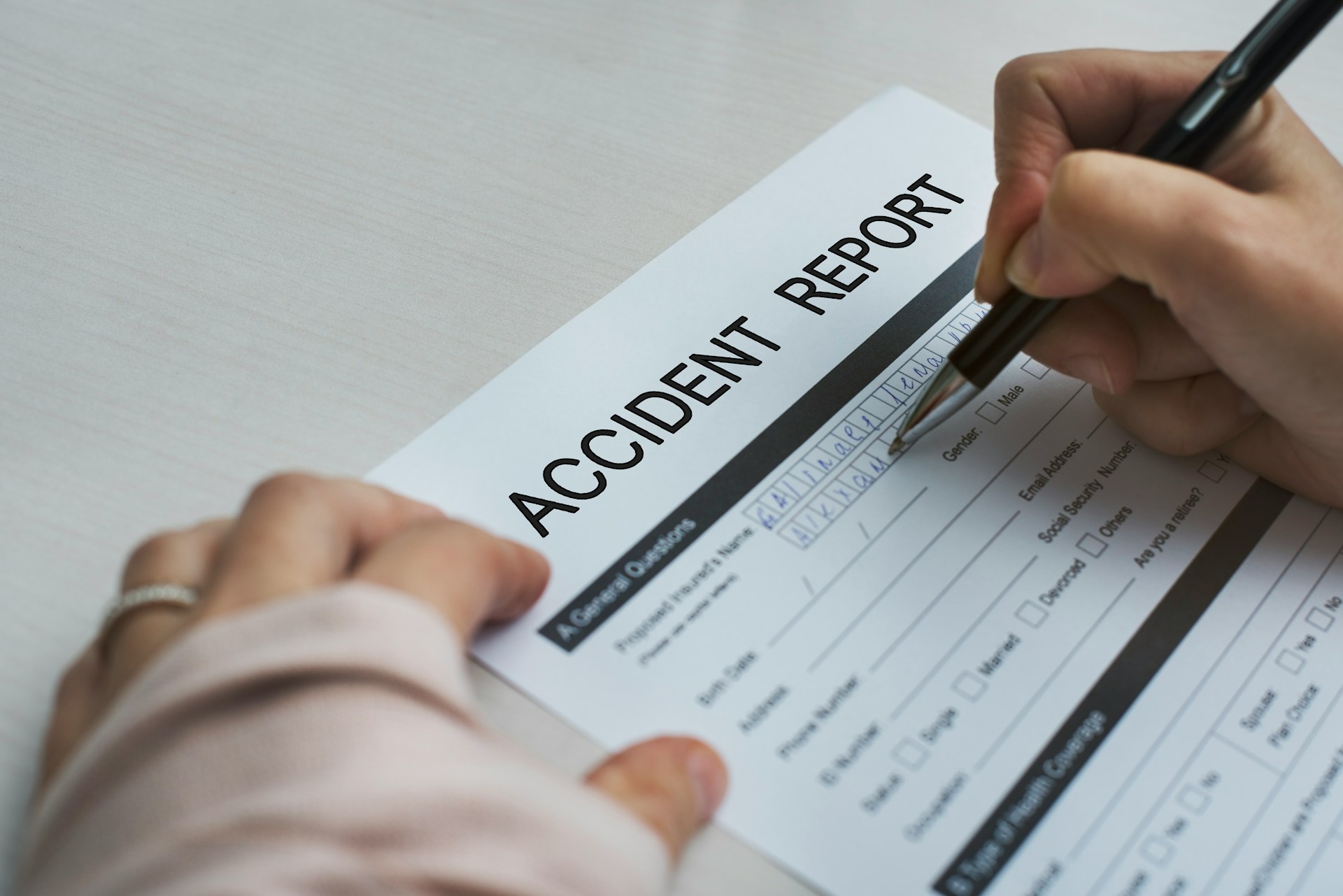
Good incident investigation turns a bad day at work into a chance to learn. Poor investigation turns it into stress, mistrust and the same thing happening again a few months later. For New Zealand businesses under pressure from regulations, worker expectations and tight margins, that difference really matters.
When investigations are rushed or handled badly, workers lose confidence, managers feel exposed and WorkSafe or insurers may start asking hard questions. Missed facts, weak actions and blame‑focused reports all raise the chance of repeat harm and more disruption.
Effective results come from a practical, structured approach to incident investigation that fits real work, not textbook theory. The goal is simple: understand what actually happened, why it made sense to people at the time and what needs to change so it is much less likely to happen again.
Waiting a few days to dig into an incident might feel easier, especially in a busy workplace. But time works against you. Scenes are tidied, damaged parts are replaced, and people start to forget small details that can make a big difference.
Delays can also look bad if WorkSafe becomes involved or if the incident draws public interest. Slow action can raise doubts about how seriously health and safety is taken, even if intentions were good.
To avoid that, it helps to set clear triggers for starting an incident investigation, such as:
As soon as an incident happens, the team should know:
Simple steps like taking photos, marking positions on the floor, tagging equipment and saving CCTV clips can protect key information and still let the business keep moving.
One of the biggest mistakes in incident investigation is turning it into a blame hunt. If the first questions are “Who messed this up?” or “Why did you ignore the rule?”, people shut down. They give short, safe answers. They hide honest mistakes. Some stop reporting near misses altogether.
A safer, smarter approach is to look at the whole system around the person involved. Instead of just focusing on individual choices, ask what made those choices likely. That might include:
The language used matters. Open questions invite better answers, for example:
Neutral, respectful wording supports psychological safety. People are far more likely to share the messy, real story that is actually needed.
Another common trap is running investigations only from the office. When managers or external people lead alone, they can miss the quiet shortcuts and workarounds that have become “just the way we do it here.” Those shortcuts often grew for real reasons, like awkward gear, tight deadlines or confusing paperwork.
Bringing in frontline workers, health and safety reps and key contractors gives access to that lived knowledge. It also makes any final actions more realistic, because they have been checked against how work is actually done.
This can be kept simple with methods like:
Along with listening, it is easy to jump too fast into fixes. Many businesses go straight to PPE, warning signs or another toolbox talk. These can help, but if root causes are not understood, the response mostly treats symptoms.
Basic tools that work well in busy New Zealand workplaces include:
Every corrective action should link clearly to a finding. It should answer a direct cause, not just say “remind staff” or “do better next time.” This link gives a stronger story if anyone reviews the process later.
It is possible to do a careful investigation and still fall down on the paperwork. Messy reports with missing timelines, unclear witness accounts or no photos will not stand up well with WorkSafe, insurers, or courts. They can also confuse people months later when there is a need to remember what happened.
Common documentation mistakes include:
A straightforward report structure helps:
A final major mistake is treating the report as the finish line. If actions are not done, or are half done, trust drops. Workers stop sharing ideas because they think “nothing changes.” Risk levels stay much the same.
To keep follow‑through on track:
Workplaces in Aotearoa often face seasonal shifts, like wetter sites, summer heat, or changes in staffing around holidays. Build checks into the system so controls are revisited when conditions change, not only when something goes wrong.
It can help to take a calm look at the current incident investigation approach and ask three questions: Do we start fast enough? Do people feel safe to tell the truth? Do we turn findings into real changes?
From there, organisations can:
With independent support, training for internal teams and clear documentation, investigations can become a steady part of how a business learns, improves and protects people all year round.
If a workplace incident has occurred or you want to be prepared before one does, we can guide you through a thorough and fair incident investigation that stands up to scrutiny. At Safe Space, we focus on uncovering root causes so you can put practical controls in place and protect your people. Reach out to our team today to discuss your situation or arrange support via contact us.