
Leveraging Workplace Safety Training in Auckland to Cut Incident Risk
Turn Training Into Fewer Incidents and Lower Costs Workplace incidents hit businesses harder than most…

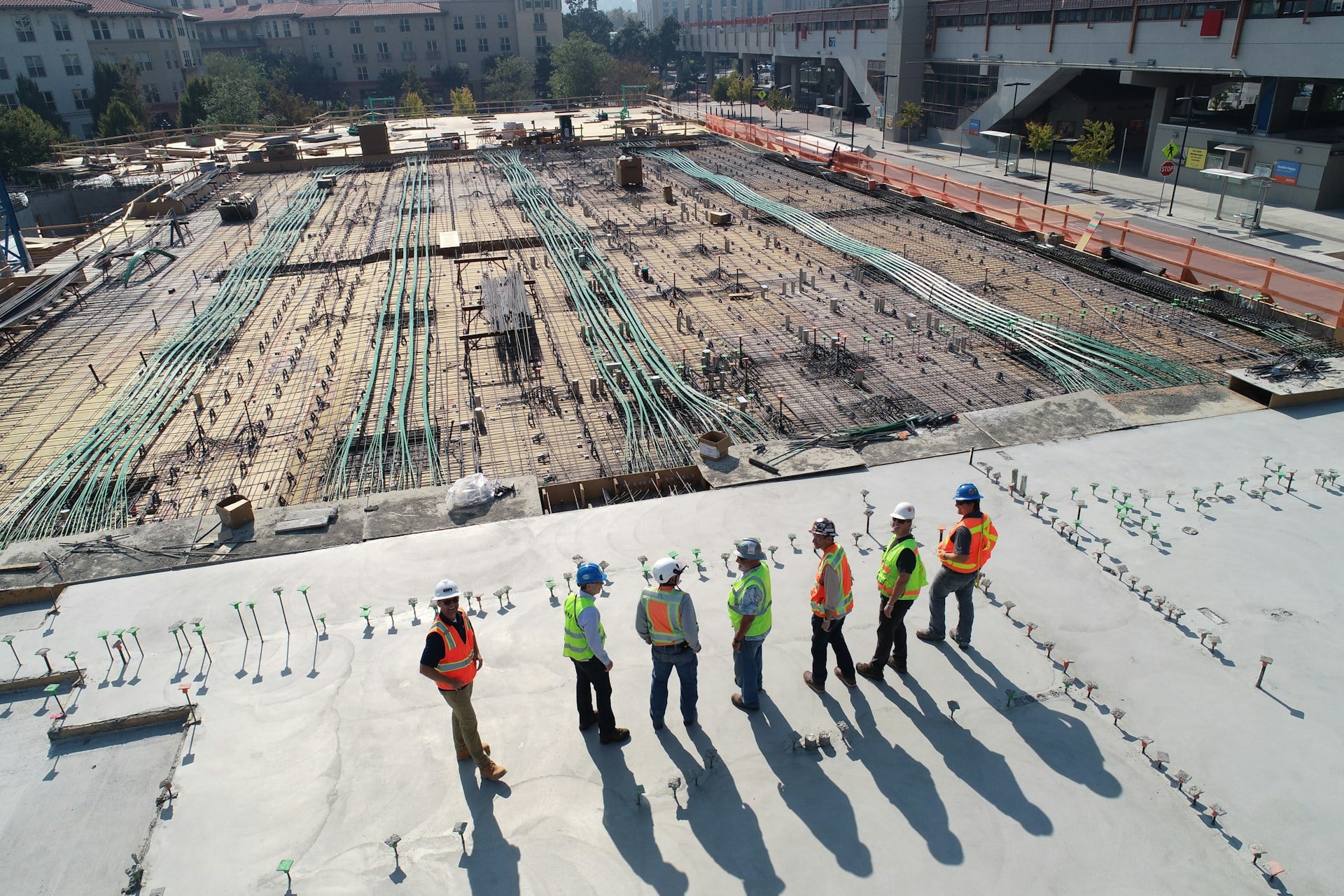
Workplace incidents are stressful, messy, and often emotional. People can get hurt, jobs get delayed, and everyone just wants to move on. But every incident is also one of the clearest chances you have to make work safer, if you slow down long enough to learn from it.
We see this across New Zealand, especially when workloads jump or seasonal staff come on board. When things are busy, small mistakes and near-misses tend to spike. At Safe Space, we help businesses use workplace incident investigation services to turn those near-misses and accidents into stronger, more compliant health and safety systems that actually work on the ground.
In this article, we walk through why every incident deserves proper attention, what good investigations look like, how to turn findings into real changes, and how leaders can build a learning culture around incidents instead of blame and fear.
Under New Zealand’s health and safety law, including the Health and Safety at Work Act (HSWA), businesses have clear duties to keep people safe at work. WorkSafe expects that when something goes wrong, you take it seriously, find out why, and show how you will prevent it from happening again.
Rushing to “get back to normal” without a proper investigation can cost you more than you think. Hidden costs often include:
It is easy to focus only on big injuries. But minor incidents and near-misses carry important clues. A small slip on a wet floor today might be warning you about a serious fall tomorrow. A near-miss with a forklift could show gaps in traffic management before someone is badly hurt.
During busy seasonal peaks, when new staff are starting and experienced workers are under pressure, these small warnings show up more often. Treating them as “no harm, no problem” is a lost chance to strengthen your system before something worse happens.
A good investigation is not about finding someone to blame. It is about understanding what really happened so you can fix the system that allowed it. Strong workplace incident investigation services usually follow a clear, simple flow.
Key steps include:
Common mistakes include:
Independent workplace incident investigation services, like those we provide from our base in Auckland across New Zealand, help avoid these traps. An external investigator brings:
That outside view can be especially helpful on sites where multiple contractors are involved or where internal people are too close to the situation.
An investigation report only has value if it leads to real changes. The goal is to feed what you have learned back into your health and safety system so that work tomorrow is safer than work yesterday.
Practical improvements can include:
At Safe Space, we see many reports that sit in a folder while work continues as usual. The missing link is often turning technical findings into plain language that frontline workers understand and can act on. Turning outcomes into toolbox talks, simple checklists, and targeted training sessions helps the learning stick.
To keep improvements moving, it helps to:
Without this follow-through, good intentions fade as soon as the incident slips from memory.
Tools and documents matter, but culture is what decides how people respond when something goes wrong. If workers fear blame, they will hide incidents and near-misses. If they trust that incidents will be treated as chances to learn, they are far more likely to speak up early.
Leaders set the tone by how they talk about incidents. Helpful habits include:
Regular safety meetings and short, honest debriefs after incidents help keep learning active. Seasonal refreshers, like a focus on slips, trips, and traffic movement before wetter winter months, can tie recent incidents into practical reminders.
External partners can support this by:
Over time, this approach builds a culture where incidents are not hidden or brushed aside, but used to strengthen the whole system.
Not every incident needs outside help, but some situations strongly benefit from professional workplace incident investigation services. These include:
Safe Space combines incident investigation, drug testing, training, and health and safety auditing. This means we can help you respond in a joined-up way, rather than as a series of one-off reactions. For example, findings from an incident can flow straight into updated training, new checks, or a wider system review.
Before bringing in a consultant, it helps to have ready:
Early contact after an incident means evidence is fresher, people remember more, and the investigation can move more smoothly. During the process, you can expect clear communication, structured questioning, and a written report that supports both learning and compliance. Afterward, the focus shifts to supporting you as you implement changes and check they are working.
Every workplace has stories of near-misses and incidents that still feel too close for comfort. Taking time now to review how those events were handled can show where your current investigation and follow-up processes could be stronger.
As workloads shift with the seasons and teams change size, it is worth asking: are we learning everything we can from each incident, or are we just getting through the paperwork and moving on? Safe Space works with businesses across New Zealand to review current health and safety systems, including incident response, and to build clearer, more practical ways of working that help keep people safe every day.
Protect Your Team With Expert, Independent Incident Investigations
When something goes wrong at work, having a calm, impartial investigation is the fastest way to understand what happened and prevent it from happening again. At Safe Space, our specialised workplace incident investigation services help you meet your legal obligations while supporting your people through a difficult time. We work with you to gather the facts, identify root causes and provide clear, practical recommendations. If you are ready to take the next step, contact us so we can help you respond confidently to your next incident.